
How to Colorize a Black-and-White Wedding Photo
Wedding photos colorize especially well — structured scenes, clear subjects, formal clothing. Here's the workflow for a perfect result.
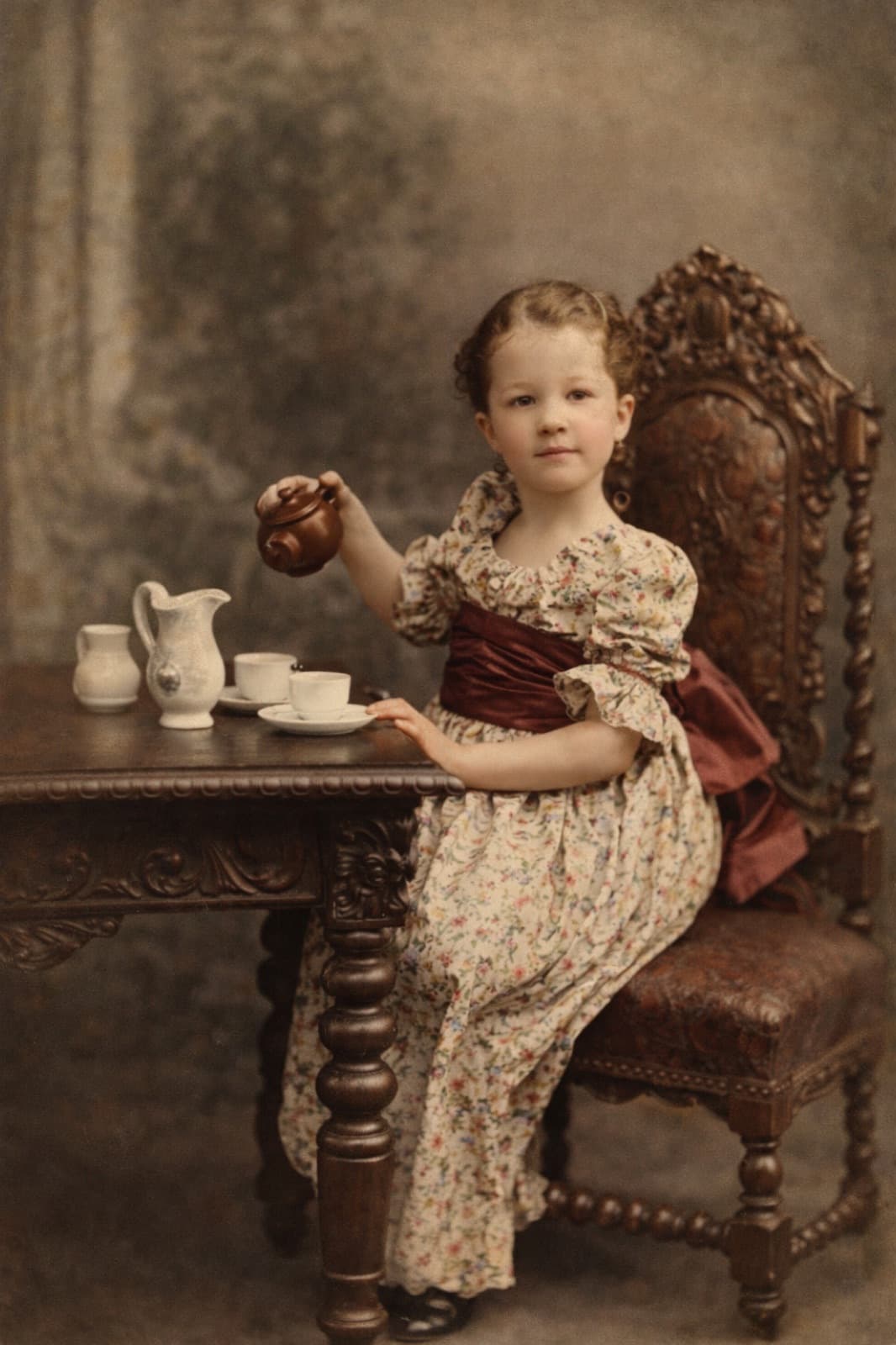
Why Wedding Photos Colorize So Well
Wedding photos are among the easiest old photos for AI to colorize because:
- Clothing has predictable colors (white dresses, dark suits, seasonal flowers)
- Faces are prominent (skin tones well-understood by AI)
- Scenes are usually formal indoor or outdoor settings with clear context
- Era-appropriate color palettes are in AI training data
A colorized wedding photo often looks like it was originally shot in color. Which is why it's one of the most emotionally impactful gifts you can give a couple who married in the B&W era.
Step 1: Capture the Photo
Follow the standard iPhone digitizing guide:
- Flat matte dark surface
- Indirect daylight, no flash
- Maximum resolution
For wedding photos specifically:
- If the photo is large (8x10+), consider using a larger flat surface
- If heavily scratched, capture in multiple lighting angles — the best capture goes into restoration
Step 2: Clean Up Damage First
Always restore physical damage before colorization. Colorizing a scratched photo colorizes the scratches.
Open Restory and apply in order:
1. Remove Scratches (5 coins)
Cleans up any visible damage — scratches, tears, stains, spots.
2. Restore Faces (5 coins)
Wedding photos are about the people. This pass sharpens and reconstructs the couple's faces (and any guests in group shots).
3. Enhance Details (4 coins)
Recovers general sharpness and reduces any color cast from aging.
Step 3: Colorize
Now apply Colorize (4 coins). The AI will analyze the scene and apply natural colors:
- White/ivory wedding dress — correctly identified from context
- Black or dark blue suit — standard formal attire
- Skin tones — natural, adjusted to subjects' features
- Environmental elements — green grass, natural sky, wood pews (if visible)
- Flowers — usually white or pastel for weddings, sometimes auto-colored as pink, cream, or white
Step 4: Review and Re-Roll If Needed
Wedding colorization often nails it on the first attempt. If not:
Dress came out the wrong color
The AI occasionally picks cream or off-white when the dress was pure white (or vice versa). Re-run Colorize; each attempt produces slightly different results.
Skin tones look off
Re-run after ensuring Restore Faces was applied first. Face-specific restoration helps color accuracy.
Background looks unnatural
The AI may have misread a backdrop — garden scene as plain wall, etc. Usually fixed on re-roll.
Most wedding photos reach a satisfying colorization in 1-2 attempts.
Total Cost Per Photo
Typical full workflow: 18 coins per wedding photo (Scratches + Faces + Enhance + Colorize).
- With 200-coin pack (EUR 24.99): about EUR 2.25 per photo
- With 500-coin pack (EUR 44.99): about EUR 1.62 per photo
For a restored wedding album of 20 photos: EUR 35-45 total.
Era-Specific Notes
1930s-40s weddings
Clothing styles were more varied (not always formal white dresses). The AI handles this well but check the output — occasionally it defaults to pure white when the dress was actually ivory or cream.
1950s weddings
The classic "formal white dress, dark suit" era. AI colorization is essentially perfect for this period.
1960s-70s weddings
More fashion variety (some brightly colored or patterned dresses). The AI picks conservative/plausible colors; if the actual dress was bold, the colorization won't match reality but will look plausible.
1980s-90s weddings
Often already color photos — don't need colorization. If B&W, colorization works but style cues (big hair, wide collars) can feel odd against modern color palette.
What to Do with the Result
Gift to the couple
Frame the colorized version for an anniversary — a powerful gift that brings a black-and-white memory into color. See our Mother's Day photo gift guide for presentation ideas.
Keep both versions
Store the original B&W scan and the colorized version. Different family members will prefer different versions — keep both.
Include in a memorial album
If the couple is deceased, a colorized wedding photo is emotionally powerful in a memorial album. See our memorial photo album guide.
Print large
Colorized wedding photos hold up well at 16x24 or larger print sizes if the original scan was high-resolution.
Related Guides
- The ultimate guide to photo restoration
- How to colorize old family photos
- Bringing color to history (complete colorization guide)
Frequently Asked Questions
Will AI know what color my grandmother's wedding dress actually was?
No — the AI picks a contextually plausible color based on era, formality, and visible details. For most mid-20th century wedding photos, the AI correctly identifies white or ivory. For photos where the dress was unusually colored (red, gold, patterned), the AI will choose a conservative color that doesn't match reality. If you know the actual color and it matters, you can manually tint the dress area in a separate editor after AI colorization.
Should I colorize both of my grandparents' wedding photos if one is already in color?
Consider leaving the color photo as-is and only colorizing the B&W photo. Mixing an original color photo with a colorized B&W in the same album can feel inconsistent. If the photos are being displayed separately or in different family branches, colorizing both for visual consistency makes sense.
How much does it cost to colorize a wedding photo?
If you just want colorization with no damage repair: 4 coins (EUR 0.50 with the 200-coin pack). If the photo also needs scratch removal and face restoration (typical for an old photo): 14-18 coins total (EUR 1.75-2.25). For a grandmother's wedding photo from 1955, expect to spend about EUR 2 for a complete restoration with colorization — a fraction of any subscription service's monthly cost.
Do it yourself with Restory
Advanced AI on your iPhone. 6 restoration tools. Free download.
Download on App StoreMore How-To Guides
How to Restore Photos of Historical Places That No Longer Exist
Family photos sometimes capture places that have changed or disappeared. A guide to restoring these visual time capsules.
How to Restore an Individual Student Photo (School Portrait)
School portraits document every year of childhood. A guide to restoring individual student photos from every era.
How to Restore Flood-Damaged Photos (Emergency Guide)
A flood can destroy decades of family photos in hours. Here's what to do in the first 24 hours and how AI can save damaged photos afterward.