
How to Restore an Antique Portrait Photograph
Antique portraits from the 1800s require special handling. A guide to capturing and restoring these irreplaceable family treasures.
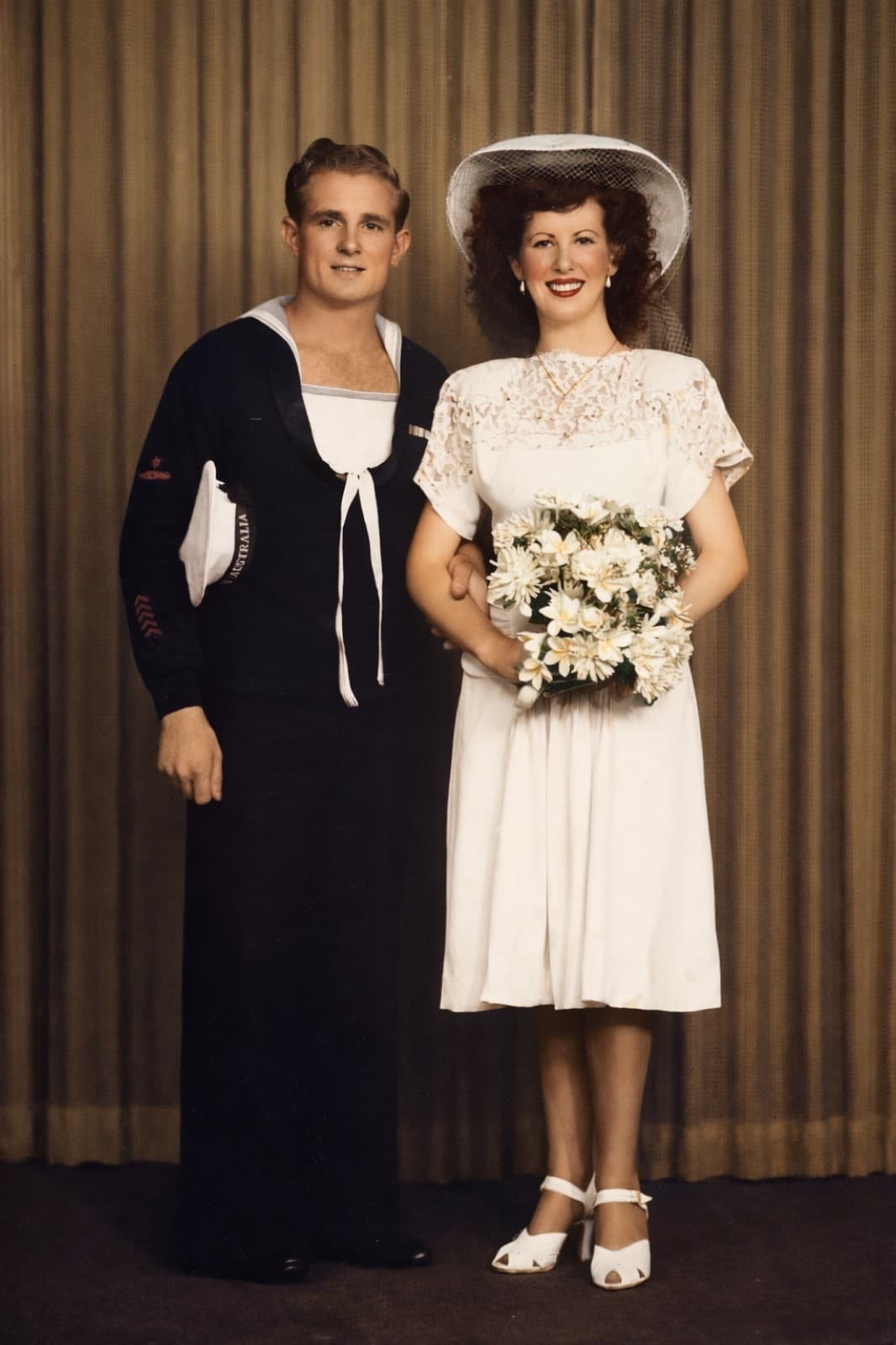
Why Antique Portraits Are Special
Antique portraits (roughly 1839-1900) are often the oldest photographs in any family archive. They may be the only known likeness of great-great-grandparents or even more distant ancestors. The physical objects themselves are valuable — these photos were expensive to create and were cared for as important family items.
Restoring them requires balancing preservation (keeping the historical character) with recovery (making them clearly visible to modern viewers).
Types of Antique Portraits
Daguerreotype (1839-1860)
See our daguerreotype restoration guide. Requires special handling.
Ambrotype (1854-1870)
Glass plate photo. Capture through case glass if cased. Gentle restoration.
Tintype (1856-1930s)
Iron-based photo. See our tintype guide.
Cabinet card (1866-1920s)
Albumen print on decorative card. Most common antique portrait in modern family archives.
Carte de Visite (1860s-1890s)
Small 2.5x4 inch card-mounted portrait.
This guide focuses on the most common antique portraits: cabinet cards, carte de visites, and later silver gelatin prints from roughly 1880-1900.
Step 1: Handle Carefully
Antique portraits are often fragile:
- Albumen prints can flake or separate from their card mount
- Card mounts may be brittle at corners
- Gold-edge mounts can have gold flaking
- Some photos are still in antique cases or frames
Handle by edges only. Don't bend or flex. Don't clean the photo surface.
Step 2: Document the Original
Before any restoration, document the full object:
- Photograph the front of the portrait
- Photograph the back (often has photographer's mark, date, or written information)
- Note any case or frame
- Measure dimensions
The back often contains crucial information: photographer's studio name, city, date. This is valuable for dating and research.
Step 3: Capture the Image
Follow the iPhone digitizing guide with care:
Setup
- Flat matte dark surface (black cardstock)
- Indirect daylight (no flash)
- iPhone directly above at maximum resolution
- HDR enabled
Position
Place the portrait face-up on the dark surface. The mount (if cardstock) provides stability — don't try to remove the photo from its mount.
Multiple captures
Antique photos often have subtle details (hand-tinting, subtle coloring, fine embossing). Multiple captures at slightly different angles reveal different details. Choose the best overall capture.
Step 4: Restore Conservatively
Open Restory. For antique portraits, conservative restoration is almost always correct.
Standard workflow
- Remove Scratches (5 coins) — handles surface damage
- Restore Faces (5 coins) — rebuilds face detail
- Enhance Details (4 coins) — recovers tonal range
Total: 14 coins, about EUR 1.75.
Don't apply
- Colorize: destroys the authentic sepia character of antique photos
- Recreate: don't invent content for historical photos
- Aggressive enhancement that modernizes the look
For photos on decorative card mounts
The decorative mount (gold edges, embossed patterns, photographer's name) is part of the photo's historical value. If your restoration crops too tightly, you lose this. Preserve the mount as part of the captured image.
Step 5: Consider Source Verification
If your antique photo has a photographer's mark, you can often verify its date through research:
Photographer directories
Many cities have historical photography studio directories. If your photo is from "Smith Studio, Springfield," search for when that studio operated.
Historical society records
Local historical societies often maintain records of photography studios in their area.
Online photographer databases
Sites like CitySelect.org and others aggregate photographer records. Your family portrait may be from a documented studio.
This research adds context to your restoration and confirms dating.
Step 6: Share with Appropriate Communities
Antique portraits can benefit from sharing:
Genealogy services
Upload to Ancestry, FamilySearch, MyHeritage to connect with other researchers.
Specific community archives
Some antique photos relate to specific communities (immigrant groups, religious communities, occupations). Community historical archives may appreciate copies.
Historical societies
For photos documenting specific places, historical societies may want restored copies for their collections.
A Realistic Example
A cabinet card from 1885 showing great-great-grandparents. Photo is on elaborate gold-edged card with photographer's mark. Sepia tone, moderate fading, some edge wear on the card.
Workflow:
- Document front and back (phone photos of both)
- Research "Wilson Photography, Columbus" — studio operated 1880-1890
- Capture in Restory with good lighting
- Remove Scratches (5 coins) + Restore Faces (5 coins) + Enhance Details (4 coins)
- Do NOT colorize — preserve the historical character
Total: 14 coins, ~EUR 1.75. 8 minutes of work.
Result: clearly visible ancestral portrait with historical character preserved. Suitable for family archive, genealogy contributions, and historical society sharing.
For broader context, see our photo types identification guide.
Related Guides
- Photo types identification guide
- How to restore a daguerreotype
- How to restore a tintype
- The ultimate guide to photo restoration
Frequently Asked Questions
Are my antique family portraits worth money?
Most family portraits have historical and family value but limited monetary value. Exceptions: identified portraits of notable people, daguerreotypes of historical events, very early photography (1840s), or photos by famous photographers. For most family cabinet cards and carte de visites, monetary value is minimal but family significance is irreplaceable. If you suspect monetary value, consult a photography auction house before selling or attempting conservation.
Should I take a fragile antique portrait out of its frame or case?
Generally no. Antique frames and cases were designed to protect the photo and often can't be safely disassembled without professional skill. Cases specifically (for daguerreotypes, ambrotypes) should never be opened. For portraits in frames, if they can be safely removed and reassembled, quality improves. If you're unsure, leave them framed and capture through glass.
Can AI accurately restore faces from antique portraits where the subject is long deceased?
Yes, with caveats. The AI can rebuild facial detail from partial data, producing clearer faces than the original. But this is reconstruction based on what the AI thinks faces typically look like, not a recovery of the specific person's exact appearance. For subjects where you have multiple photos, results are more reliable. For single-photo antique portraits, the restored face will be plausible and similar to the original, but may not perfectly match who that person actually looked like.
Do it yourself with Restory
Advanced AI on your iPhone. 6 restoration tools. Free download.
Download on App StoreMore How-To Guides
How to Restore Photos of Historical Places That No Longer Exist
Family photos sometimes capture places that have changed or disappeared. A guide to restoring these visual time capsules.
How to Restore an Individual Student Photo (School Portrait)
School portraits document every year of childhood. A guide to restoring individual student photos from every era.
How to Restore Flood-Damaged Photos (Emergency Guide)
A flood can destroy decades of family photos in hours. Here's what to do in the first 24 hours and how AI can save damaged photos afterward.